Estimating
Estimating Overview
Our estimating team brings years of field-tested construction experience to your project. We use a structured, multi-step process combining technical analysis, historical data, and risk management to forecast costs with precision.
- Comprehensive Scope Definition: We break down every work package into a detailed Bill of Quantities covering material, labor, and overhead.
- Market-Driven Pricing: We apply precise unit prices based on real-time market rates.
- Risk Mitigation: We build in practical contingency allowances to protect your project from unexpected variables.

Bill of Quantities
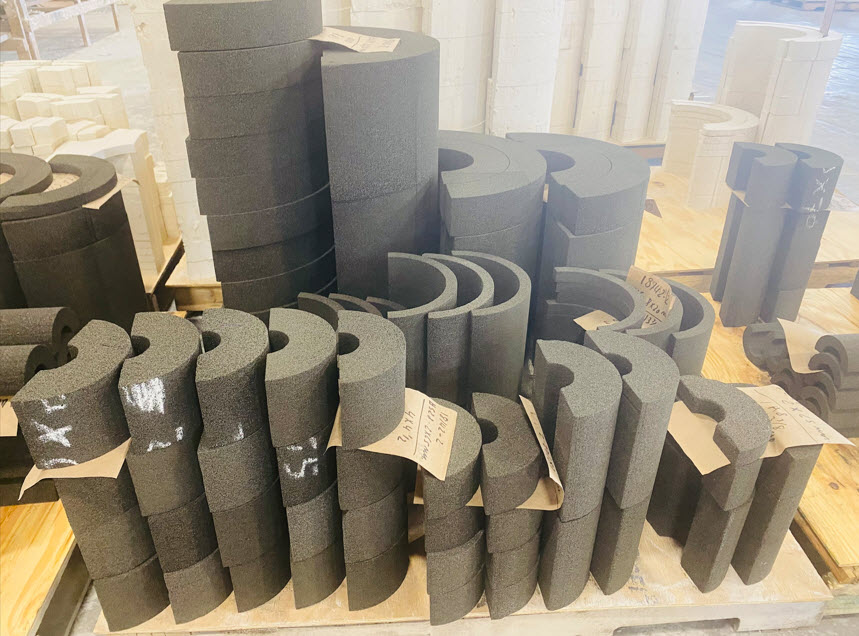
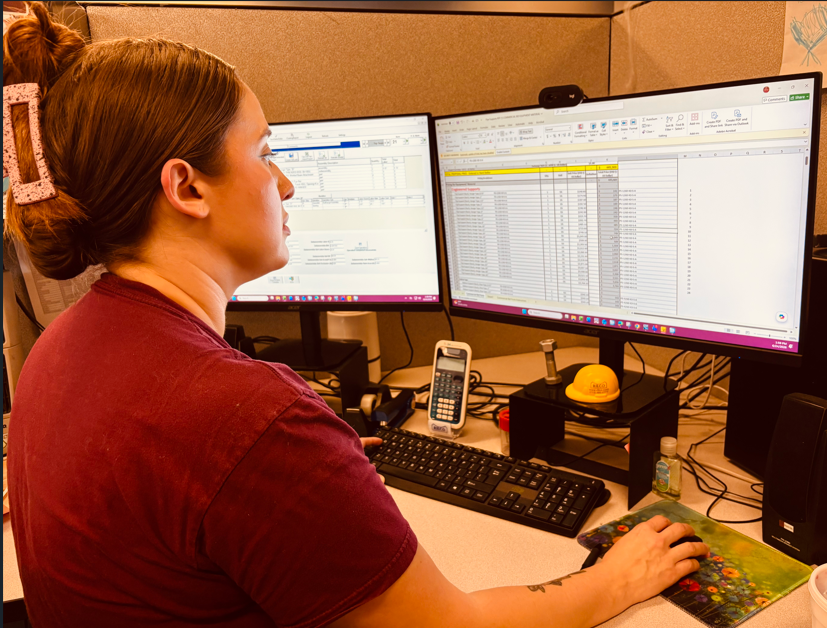
Our detailed estimating process systematically quantifies every material, labor hour, and piece of equipment required for your project directly from drawings and specifications. We break down the scope into precise work items—including steel cutting, welding, finishing, assembly, and cleaning—assigning standardized units of measurement to every component. By applying current unit rates that encompass materials, labor, plant operations, overhead, and profit, we deliver transparent, highly accurate cost breakdowns. This rigorous approach gives you a bulletproof foundation for competitive tendering and reliable project budgeting.
Computerized Tasks
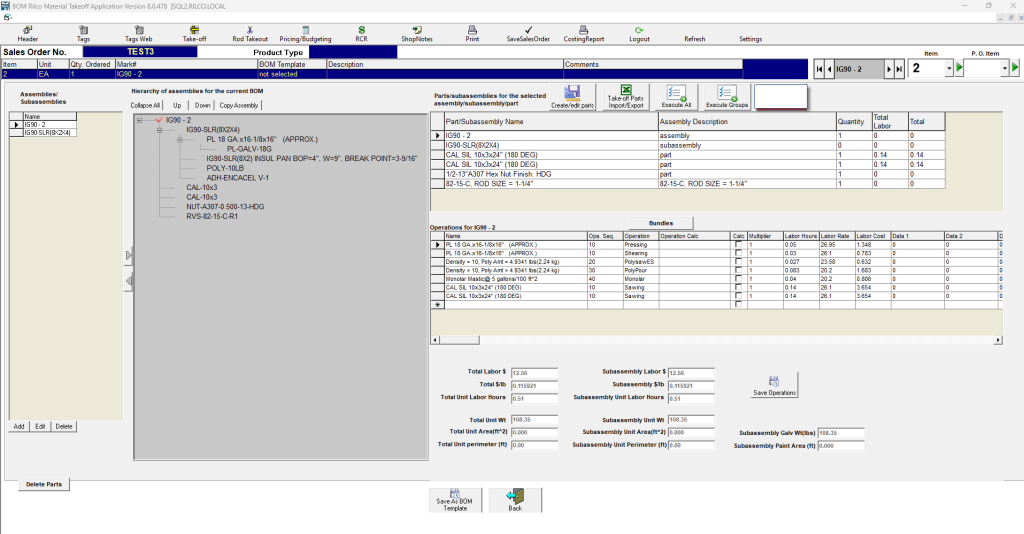
We developed a proprietary in-house computer application called Material Take-Off (MTO), specifically designed to streamline and enhance the estimating process. MTO enables us to complete estimating tasks with remarkable speed and precision, significantly reducing the time traditionally required for manual calculations. By leveraging advanced algorithms and a user-friendly interface, the application minimizes the risk of human error while ensuring that every estimate is thorough, consistent, and reliable. As a result, our clients benefit from faster turnaround times and greater confidence in the accuracy of the figures we provide, reinforcing our commitment to delivering high-quality, dependable service.
Rilco in-house-developed Material Take-off application